
Built for Commercial, Industrial, Municipal & Residential Paving Projects



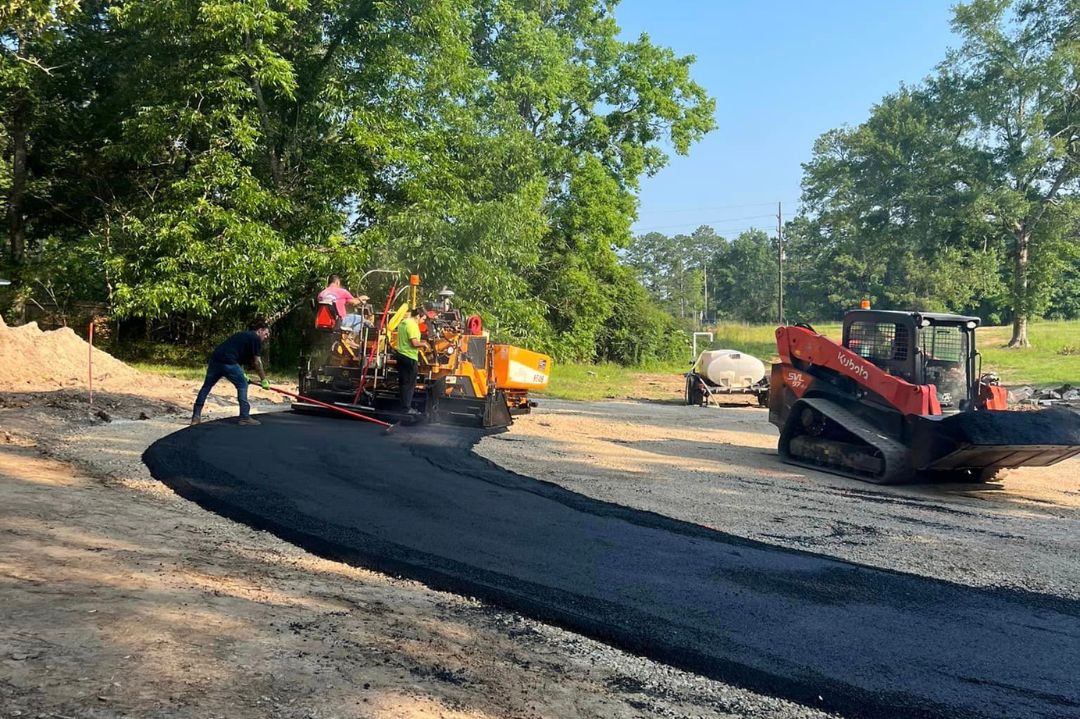
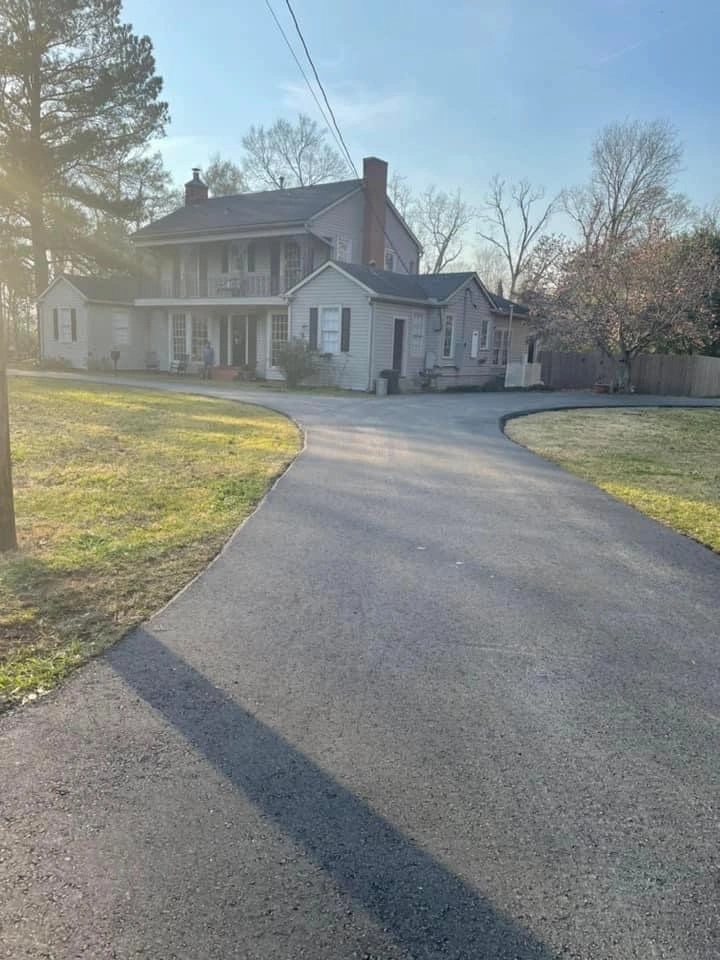
- Professional Paving Services Across Greater Houston
Asphalt Paving Contractor in Greater Houston, TX
From commercial parking lots and private roads to residential driveways, M-Tex Paving provides professional asphalt paving and pavement solutions built for Houston-area traffic, heat, rainfall, and ground conditions.
We serve property owners, businesses, contractors, and communities throughout Houston, Spring, The Woodlands, Conroe, and surrounding Greater Houston areas.
- Commercial & Residential Paving
- Site Preparation & Drainage-Focused Grading
- Asphalt Installation, Resurfacing & Maintenance
- Local Service Across Greater Houston
Your Local Paving Team
Asphalt Paving Built for Greater Houston Properties
A paved surface has to do more than look good on installation day. It needs the right base, proper drainage, and a pavement system designed around how the property will actually be used.
M-Tex Paving provides asphalt paving services for commercial, industrial, municipal, and residential properties throughout Greater Houston. We work on projects ranging from driveways and private roads to parking lots, access lanes and larger paved areas.
Houston-area pavement faces demanding conditions. Intense summer heat, heavy rainfall, drainage problems, shifting soils, and constant vehicle traffic can quickly expose weak site preparation or an inadequate base.
That is why our approach starts below the surface.
We evaluate existing pavement conditions, drainage, grading, base stability, traffic requirements, and the overall scope of the property before recommending the right solution.
Whether your project needs new asphalt paving, resurfacing, maintenance, or site preparation, our goal is straightforward: to help you build a surface that works for your property and provides long-term value.
- Complete Pavement Solutions
Asphalt Paving & Site Services Across Greater Houston
From preparing the ground to maintaining the finished pavement, M-Tex Paving provides the services needed to keep your property functional, safe, and professional.
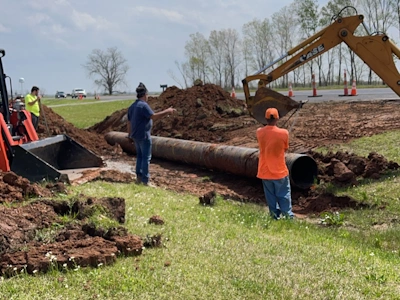
Site Work & Dirt Work
We provide grading, excavation, base preparation and related site work to help create stable ground and effective drainage before paving or construction begins.
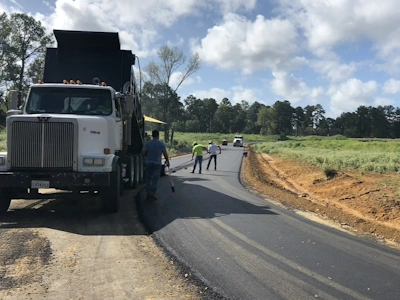
Asphalt Paving
We install new asphalt surfaces with careful attention to grading, base preparation, drainage and compaction. Every project is evaluated around the type of traffic and use the pavement needs to support.
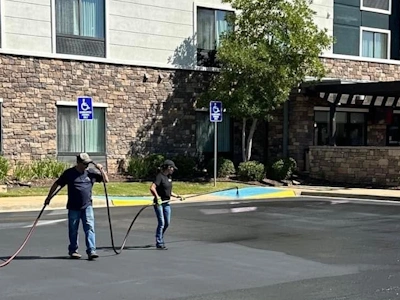
Crack & Joint Sealing
Preventive pavement maintenance such as crack sealing and sealcoating can help protect existing asphalt, improve appearance and slow surface deterioration when used at the appropriate stage of the pavement life cycle.
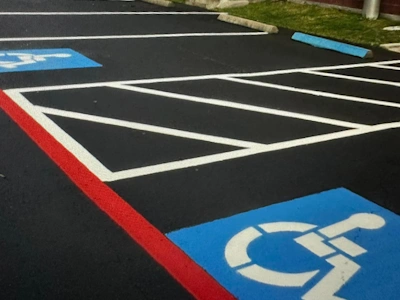
Pavement Markings
We provide parking lot striping, directional markings, curb painting, fire-lane markings and accessible parking markings for commercial and public-facing properties.
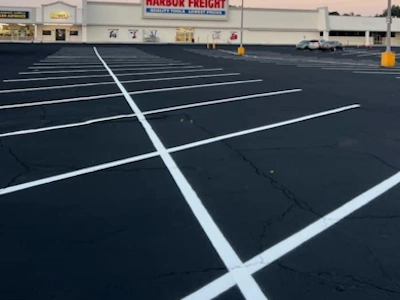
Parking Lot Maintenance
Our parking lot maintenance services help businesses and property managers address pavement problems before they become larger and more expensive.
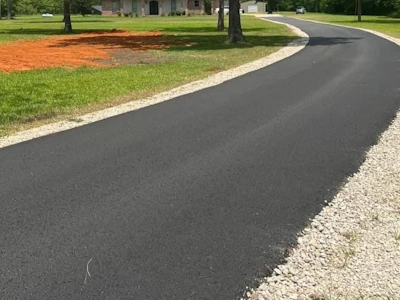
Driveways
We build and replace asphalt driveways with attention to base preparation, drainage, edge support and everyday vehicle use.
Not Sure Whether You Need Repair, Resurfacing or New Asphalt?
Schedule an on-site assessment with M-Tex Paving. We can review the current surface, base, and drainage conditions, discuss how the property is used, and recommend a practical next step for your project.
- Why Property Owners Choose M-Tex
A Paving Contractor Focused on What Happens Below the Surface
Good pavement starts long before the asphalt is placed. Our approach focuses on the conditions that affect how a paved surface performs after the crew leaves.
Site-Specific Evaluation
Every property is different. We look at existing pavement, drainage, traffic, base conditions and site access before determining the appropriate scope of work.
Proper Base & Surface Preparation
Covering a weak base with new asphalt does not solve the underlying problem. Preparation is a critical part of creating pavement that performs as intended.
Houston-Area Conditions in Mind
Heat, heavy rainfall, drainage and soil movement can all affect pavement performance across Greater Houston. These conditions need to be considered during planning and site preparation.
Solutions Based on Pavement Condition
Not every worn parking lot needs total replacement. When appropriate, repair or resurfacing may offer a more practical solution. When deeper failure exists, a more comprehensive approach may be necessary.
Complete Paving Capabilities
From site work and asphalt installation to resurfacing, maintenance, sealcoating and striping, M-Tex can support multiple stages of a pavement project.
Clear Project Communication
A successful paving project requires more than equipment and materials. Clear expectations about scope, access, scheduling and next steps help keep the project moving.
Asphalt Services for Commercial, Industrial, Municipal & Residential Projects
Commercial Properties
- Retail centers and shopping malls
- Office complexes and medical facilities
- Restaurants and hotels
- Banks and financial institutions
- Auto dealerships
Industrial Facilities
- Truck terminals
- Manufacturing warehouses
- Equipment yards and storage areas
- Processing facilities with chemical resistance
- Logistics centers with 24/7
Municipal Projects
- City streets and road repair programs
- School parking and bus lanes
- Public parks and recreation areas
- Government building complexes
- Police and fire station parking
Residential Communities
- Private driveways and extensions
- HOA‑managed community roads
- Apartment complex parking
- Townhome community
- Subdivision entrance features
Your Asphalt Paving Contractor in Greater Houston & North Houston
M-Tex Paving serves paving customers across the Greater Houston area, with dedicated local service information for Houston, Spring, The Woodlands and Conroe, TX.
Whether you manage a commercial property in Houston, need parking lot work in Spring, are planning pavement improvements in The Woodlands or need asphalt paving in Conroe, our team can evaluate your property and recommend the right approach.
Competitive Pricing
Our services are priced competitively without compromising on quality.
- Paving Questions
Frequently Asked Questions About Asphalt Paving in Greater Houston
What areas does M-Tex Paving serve?
M-Tex Paving serves customers throughout Greater Houston and surrounding communities, including Houston, Spring, The Woodlands and Conroe, TX. Contact us with your project address to confirm service availability for your property.
Do you handle commercial asphalt paving in Houston?
Yes. M-Tex Paving provides asphalt paving and pavement services for commercial properties, including parking lots, access lanes, retail properties, offices, industrial facilities and other paved commercial areas.
Do you provide free paving estimates?
We offer a free on-site assessment for qualifying paving and site-work projects. Our team can evaluate the property, discuss your goals and determine the appropriate next step before preparing the project estimate.
Should damaged asphalt be repaired, resurfaced or replaced?
It depends on where the pavement is failing. Localized surface damage may be repairable, while widespread wear over a stable base may be suitable for resurfacing. If the base has failed extensively, replacement or reconstruction may be the better long-term option. An on-site inspection is the best way to determine the appropriate scope.
Why is drainage important for asphalt paving in Houston?
Heavy rainfall and poor drainage can allow water to reach the pavement base. Once the supporting layers become unstable, cracking, depressions and potholes can develop. Proper grading and drainage planning are therefore important parts of Houston-area paving projects.
Can M-Tex handle both site preparation and asphalt paving?
Yes. M-Tex provides site work and dirt work in addition to asphalt paving services, allowing the team to address grading, ground preparation and base conditions as part of the overall project when required.
How much does asphalt paving cost in Greater Houston?
Pricing depends on factors such as project size, existing surface condition, required excavation or base work, asphalt thickness, drainage, site access and the type of traffic the pavement must support. The most accurate way to price a project is through an on-site evaluation.
Have Another Question?
A Straightforward Paving Process From Site Visit to Finished Surface
We follow the same careful process on every job, whether it’s a small residential driveway or a large commercial parking lot. No shortcuts. No guesswork. Just quality asphalt paving done the right way.
01
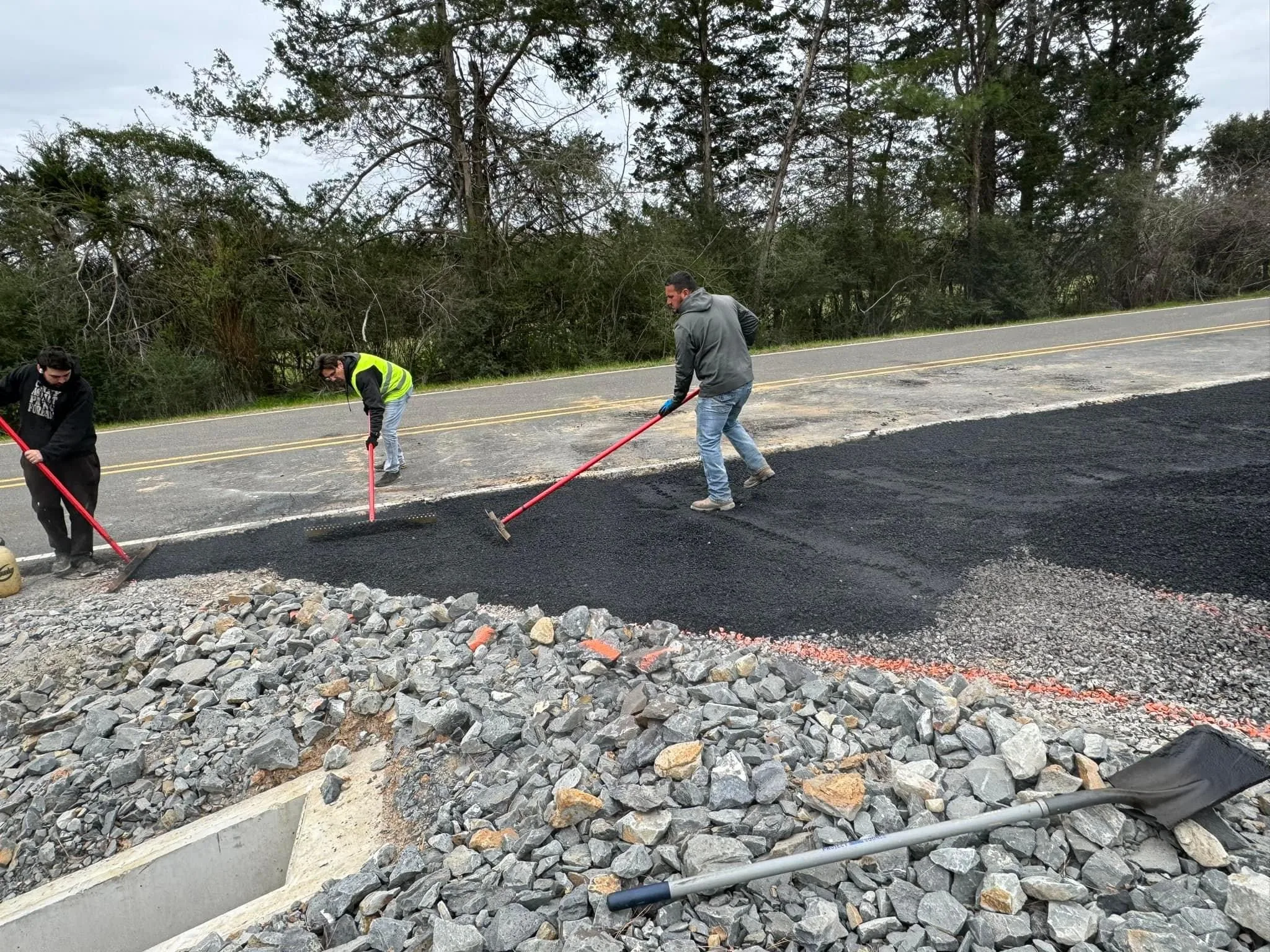
Site Evaluation
We start by looking at the property itself. The team reviews existing pavement conditions, site access, drainage, grading, base concerns and the work you want completed.
02
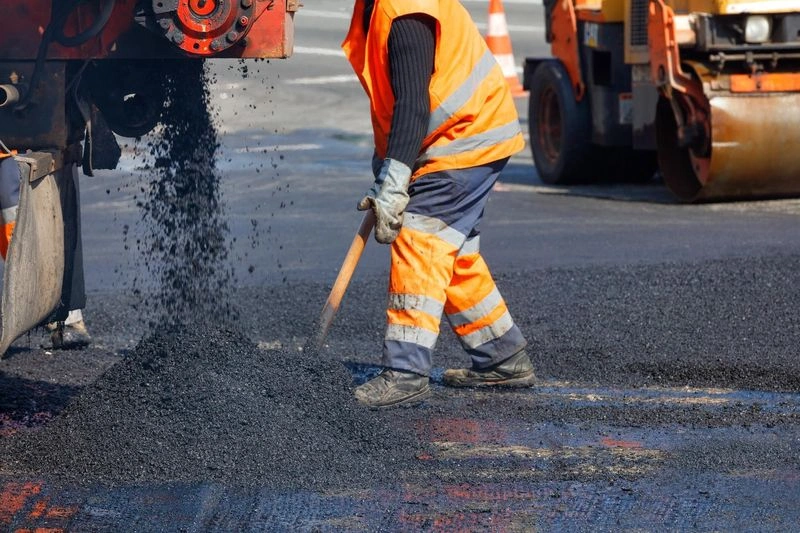
Surface Preparation
Preparation may include removing failed material, grading, base work, compaction, drainage corrections or other steps required for the planned pavement system.
03
Professional Paving
The paving crew installs and compacts the asphalt according to the project requirements, paying close attention to transitions, edges, elevations and drainage.
Asphalt Tips & Paving Advice for Texas Property Owners
Apr 2
7 Ways to Protect New Asphalt in the First 30 Days
Quick Answer: To protect new asphalt in the first 30 days, you should keep vehicles off for at least 72 hours, avoid sharp turns, protect the edges, keep heavy objects away, manage water drainage, prevent chemical spills, and wait before applying a sealcoat. These steps allow the asphalt to cure properly and extend its lifespan significantly.
You just had a fresh asphalt driveway or parking lot installed. It looks great. But here is the thing – the first 30 days after installation are the most important period for your new pavement. What you do (or do not do) during this time can mean the difference between an asphalt surface that lasts 20+ years and one that starts cracking within the first couple of seasons.
At M-Tex Paving, we have helped homeowners and business owners across Texas protect their asphalt investments for years. Texas weather, especially with its intense heat, sudden rain, and heavy traffic demands, makes proper new asphalt care even more critical. This guide walks you through exactly what you need to do in the first 30 days to keep your pavement in top shape.
What is asphalt curing? Asphalt curing is the process by which freshly laid asphalt hardens and reaches its full structural strength. New asphalt is a mixture of aggregates and liquid bitumen (a petroleum-based binder). After installation, the bitumen slowly oxidizes and stiffens. Full curing can take 6 to 12 months, but the surface reaches a workable hardness within the first few days. The first 30 days are considered the most vulnerable window.
1. Stay Off the Asphalt for the First 72 Hours
This is the single most important rule after a new asphalt installation. Fresh asphalt is soft, pliable, and still releasing heat from the compaction process. Driving or walking on it too soon can cause ruts, depressions, and surface distortions that are very difficult to fix.
In Texas, this rule is even more critical. Summer temperatures in cities like Houston, Dallas, and San Antonio regularly push past 95°F. High heat keeps asphalt softer for longer, which means you may need to stay off it for 4 to 5 days instead of the standard 3. Do not rush this step.
- Passenger cars should stay off for a minimum of 72 hours
- Trucks and SUVs should wait 5 to 7 days
- Heavy vehicles like RVs or delivery trucks should wait at least 10 to 14 days
- Foot traffic is generally fine after 24 hours, but avoid heels or pointed objects
Pro Tip: Use orange cones, rope barriers, or simple signage to block off your new driveway. This keeps visitors and delivery drivers from accidentally pulling onto the surface before it is ready.
2. Avoid Sharp Turns and Power Steering Pressure
Even after you start driving on your new asphalt, you need to be careful about how you drive on it. Sharp turns – especially when the vehicle is nearly stationary – create a twisting, shearing force on the surface. This is called “power steering scuffing,” and it is one of the most common causes of surface damage on new asphalt driveways.
When you crank the steering wheel hard while barely moving, your tires scrub against the pavement instead of rolling smoothly. On soft, freshly laid asphalt, this tears up the top layer and leaves visible marks and depressions.
- Always keep your vehicle moving when turning the wheel
- Use wide, gradual turns rather than tight, spinning maneuvers
- Avoid turning on the same spot repeatedly, even if the surface looks hardened
- Be especially careful during the first two weeks when the binder is still settling
Common Mistake: Many homeowners think their asphalt is “hard enough” after a week and start driving normally. But power steering damage can happen even after 2 to 3 weeks, especially during hot Texas afternoons when surface temperatures can exceed 140°F.
3. Protect the Edges – They Are the Most Vulnerable Part
The edges of your new asphalt surface do not have the same support as the middle. The center of a driveway or parking lot is held in place by the surrounding pavement. The edges, however, are exposed – and they can crumble or crack under stress much more easily.
This is a very common issue with residential driveways in Texas, where the soil alongside a driveway can shift and dry out quickly due to the heat. Once the edges crack, water gets in, weakens the base, and the problem spreads inward fast.
- Do not park with your tires hanging over the edge of the asphalt
- Keep vehicles at least 6 inches away from the edges for the first 30 days
- Consider adding a gravel or concrete border to support the edge
- Backfilling the sides with compacted soil or gravel helps stabilize the perimeter
Pro Tip: If your contractor left the edges a little raised or tapered, that is intentional. It provides structural support. Do not trim or break off that edge – it is protecting your investment.
4. Keep Heavy Objects and Point Loads Off the Surface
People often think about vehicles when protecting new asphalt, but they forget about stationary heavy objects. A point load – which is a concentrated weight on a small area – can be more damaging than a vehicle rolling over the surface. This is because the weight does not distribute across the pavement the way rolling tires do.
Here are some everyday objects that can leave permanent marks or indentations on new asphalt during the curing period:
- Motorcycle kickstands (small contact area with full bike weight)
- RV stabilizer legs and leveling jacks
- Dumpster or trash bin legs
- Lawn furniture legs, especially metal ones
- Vehicle jack stands during oil changes or tire work
- Garden equipment is stored on the driveway
Easy Fix: Place a piece of plywood or a wide wooden board under any heavy stationary object. This spreads the weight across a larger surface area and prevents indentations. Keep this practice up for the first 30 to 45 days.
5. Manage Water Flow and Prevent Standing Water
Proper drainage is one of the most important parts of asphalt pavement care, and it becomes even more critical during the curing period. Water that sits on or near new asphalt can seep down into the base layer and weaken the foundation before the surface has had a chance to fully bond and harden.
Texas homeowners know that the weather can go from bone-dry to heavy rainstorms quickly, especially during spring and fall. After a rainfall, check your new asphalt for puddles or low spots where water is collecting.
- Make sure your driveway has a proper slope for runoff (usually a 1% to 2% grade)
- Clear out nearby drains, gutters, and culverts so water does not back up onto the surface
- Do not direct sprinkler systems toward your new asphalt
- If water is pooling, contact your paving contractor – it may indicate a grading issue
Watch Out: Standing water on new asphalt is not just a curing problem – it is a long-term structural risk. Water infiltration is one of the top causes of potholes and pavement failure in Texas driveways and parking lots.
The U.S. Federal Highway Administration also provides pavement maintenance guidelines that highlight how water infiltration and poor drainage are among the leading causes of premature pavement failure — a reminder that these issues affect driveways just as much as highways. Learn more from FHWA’s pavement maintenance resources.
6. Prevent Gas, Oil, and Chemical Spills
Asphalt is a petroleum-based material. This means it reacts chemically with other petroleum products like gasoline, motor oil, power steering fluid, and brake fluid. Even a small spill can soften the binder in new asphalt, causing it to break down and lose its structure over time.
During the first 30 days, the asphalt binder is still in the process of setting and hardening. It is at its most chemically vulnerable during this period. A gas spill at this stage can create a soft, greasy spot that never fully hardens – leading to a permanent weak point in your pavement.
- Check your vehicles for leaks before parking them on new asphalt
- Be careful when using gas-powered lawn equipment nearby
- Avoid topping off your gas tank in the driveway
- If a spill happens, act fast: cover it with sand, kitty litter, or an oil-dry absorbent material immediately
- After absorbing the liquid, sweep it up and dispose of it properly
Why does this happen? Asphalt is made with bitumen, which is itself a refined petroleum product. When gasoline or oil contacts bitumen, they share similar chemical properties, and the spill essentially dissolves part of the binder. This softens the pavement and weakens the aggregate bond underneath.
7. Do Not Rush the Sealcoat – Timing Matters
A lot of homeowners assume they should sealcoat their new asphalt right away to protect it. This is actually one of the most common mistakes in new asphalt care. Applying a sealcoat too early can trap oils in the pavement before they have had a chance to off-gas, which interferes with proper curing and can cause the surface to stay soft and tacky.
The general recommendation from pavement professionals is to wait at least 6 months before applying your first sealcoat. In Texas’s hot climate, some contractors suggest waiting a full 12 months, because high temperatures already speed up the initial curing process and any remaining oils need time to release properly.
- Wait 6 to 12 months before your first sealcoat application
- Choose a sealcoat product appropriate for Texas heat (coal tar or asphalt-based emulsions)
- Apply sealcoat when temperatures are above 50°F, and no rain is expected for 24 to 48 hours
- After the first sealcoat, plan to reseal every 2 to 3 years for the best protection
Sealcoat vs. Crack Filler: Sealcoat is a protective surface coating applied to the whole pavement. Crack filler is used to repair specific cracks or gaps. They are different products with different purposes. If you notice minor hairline cracks appearing in the first year, that is normal – but do not skip the sealcoat step once the timing is right.
For a deeper look at crack sealing and pavement rehabilitation best practices, the Asphalt Institute’s maintenance FAQ is a reliable technical reference used by paving professionals across the country.
30-Day New Asphalt Care Timeline
Day 1 to 3: No vehicles at all. Keep all vehicles, equipment, and heavy objects completely off the surface. Foot traffic is okay after 24 hours. Block entry with cones or barriers.
Day 4 to 7: Passenger cars only, with caution. Light vehicles can park, but avoid sharp turns and tight maneuvers. Do not park in the same spot every day. Avoid the edges.
Day 8 to 14: Normal light traffic, still cautious. Most passenger vehicles are fine. Continue avoiding heavy trucks, RVs, and dumpsters. Watch for chemical spills. Check drainage after rain.
Day 15 to 30: Surface stabilizing – stay diligent. The asphalt is firming up well. Use plywood under point loads. Keep chemicals away. Avoid parking in the same spot for extended periods on very hot Texas days.
Frequently Asked Questions
How long does new asphalt take to fully cure? New asphalt reaches a usable hardness within 2 to 3 days, but it does not fully cure for 6 to 12 months. During this full curing period, the bitumen binder slowly oxidizes and stiffens. The first 30 days are the most critical window for protection and care.
Can I seal new asphalt right away? No. You should wait at least 6 months before applying a sealcoat to new asphalt. Sealing too early traps the oils that need to off-gas during curing, which keeps the surface soft and tacky. In Texas’s hot climate, many professionals recommend waiting a full 12 months.
What happens if it rains on new asphalt? Light rain shortly after installation is generally not a problem as long as it drains off properly. Heavy rain within the first 24 hours is more of a concern. After the initial day, your main worry is standing water – puddles that sit on the surface or seep into the base. Always check drainage after heavy rain.
How long before I can drive on new asphalt in Texas heat? In Texas summer conditions, wait at least 3 to 5 days for passenger cars and 7 to 10 days for heavier vehicles. High temperatures slow down the surface hardening process. If the asphalt still feels soft or sticky to the touch, give it more time before driving on it.
Is it normal for new asphalt to be soft or sticky? Yes, some softness is completely normal in the first few weeks, especially in hot weather. New asphalt contains oils and binders that need time to harden. The surface may feel slightly soft on very hot Texas afternoons, even after a few weeks – this is expected and not a sign of a defective installation.
How do I protect my asphalt driveway long-term after the first 30 days? After the 30-day period, continue keeping chemicals off the surface, fill any cracks early before water gets in, apply sealcoat after 6 to 12 months, and reseal every 2 to 3 years. Regular maintenance is far less expensive than asphalt repair or replacement.
Final Thoughts
Protecting new asphalt in the first 30 days does not require special equipment or expensive products. It just requires patience and a few simple habits. Keep vehicles off initially, drive carefully during the first month, protect the edges and surface from damage, manage water and chemicals, and wait for the right time to sealcoat.
Texas conditions make proper asphalt care especially important. The intense heat, heavy traffic loads, and storm activity all put extra stress on pavement – especially during those critical early weeks after installation.
If you are looking for professional asphalt paving services in Texas, M-Tex Paving is here to help. From new installations to long-term maintenance, our team brings the experience and local knowledge to get the job done right the first time.
Mar 27
10 Tips to Make Your Asphalt Paving Last Longer
A well-maintained asphalt surface can last 25 to 30 years. But if you ignore basic upkeep, that same pavement can start falling apart in less than 15 years.
In Texas, asphalt takes a beating. Extreme summer heat, heavy rain, and the occasional freeze all work together to wear down your pavement faster than you might expect. Whether you have a residential driveway, a commercial parking lot, or a private road, the good news is that most asphalt damage is preventable.
At M-Tex Paving, we have worked with homeowners and businesses across Texas for years. We have seen firsthand how a little regular maintenance can save thousands of dollars in early replacement costs. In this guide, we are sharing the 10 most effective tips to help your asphalt paving last longer, look better, and perform at its best for decades.
Tip 1: Sealcoat Your Asphalt Every 2 to 3 Years
The short answer: Sealcoating is the single most effective thing you can do to extend the life of your asphalt pavement.
Asphalt is made from a mix of aggregate and liquid bitumen. Over time, the sun’s UV rays break down that bitumen, causing the surface to dry out, fade, and become brittle. Add rain, motor oil drips, and gasoline spills to the mix, and your pavement starts deteriorating from the top down.
Sealcoating puts a fresh protective layer over the surface. It blocks UV rays, repels water, and resists chemical damage. Think of it like sunscreen for your driveway or parking lot.
How often should you sealcoat?
- New asphalt should cure for at least 90 days before the first sealcoat application.
- After that, sealcoat every 2 to 3 years under normal conditions.
- High-traffic areas, like commercial parking lots, may need sealing every 1 to 2 years.
In Texas, where summer temperatures regularly push past 100 degrees, UV oxidation happens faster than in cooler states. This makes sealcoating even more important here than in most parts of the country.
There are two main types of sealers: coal tar emulsion and asphalt emulsion. Both work well, but a professional can help you pick the right product based on your specific usage and climate conditions in your part of Texas.
Tip 2: Fill Cracks Before They Spread
The short answer: A small crack today becomes a large pothole tomorrow. Crack repair is cheap. Pothole repair is not.
Water is asphalt’s biggest enemy. When water finds a crack in your pavement, it works its way down into the base layer. In Texas, we do not have severe winters in most areas, but even mild temperature swings cause the ground to expand and contract. Every cycle makes that crack a little wider and a little deeper.
Left alone, small cracks turn into alligator cracking, which looks like a pattern of interconnected breaks across the surface. At that stage, simple crack filling is no longer enough. You are looking at patching or full-depth repair.
What to do:
- Inspect your asphalt for cracks at least twice a year, ideally in spring and fall.
- For cracks smaller than half an inch wide, a rubberized crack filler from a hardware store works well for DIY repair.
- For cracks wider than half an inch or cracks that keep coming back, call a professional paving contractor.
- Clean out the crack with a brush or blower before applying filler. Dirt and debris prevent proper adhesion.
Acting fast on cracks is one of the easiest ways to protect your asphalt investment and avoid much bigger repair bills down the road.
Tip 3: Make Sure Drainage Is Working Properly
The short answer: Standing water is one of the leading causes of premature asphalt failure. Good drainage is not optional.
When water pools on your asphalt surface, it does not just sit there harmlessly. It slowly seeps into any tiny opening it can find. Over time, water erodes the base layer beneath the asphalt, causing soft spots, depressions, and eventually potholes.
In Texas, this is a real concern. Many parts of the state see heavy rainfall, and flash flooding is not uncommon. Poor drainage can cause more damage after one bad storm than years of normal traffic.
How to check your drainage:
- After a rain, walk your property and note any areas where water collects or puddles for more than 30 minutes.
- Check that the pavement slopes away from buildings and toward the designated drainage areas.
- Make sure catch basins, drains, and channels are clear of leaves, dirt, and debris.
- Look for low spots or depressions that could be forming in the pavement.
If you notice consistent pooling, it may be a grading issue that needs professional attention. Fixing drainage early is far less expensive than repairing the structural damage that comes from ignoring it.
Tip 4: Start With a Quality Installation
The short answer: The lifespan of your asphalt starts on day one. A poor installation cannot be fixed with maintenance alone.
We put this tip in here because many people inherit a paved surface and wonder why it is failing prematurely. Often, the answer goes back to the original installation.
Quality asphalt paving depends on several factors:
Proper base preparation: The base layer, usually compacted gravel, is what gives asphalt its strength. If the base is too thin, not properly compacted, or made from inferior material, the surface above it will crack and sink no matter how well you maintain it.
Correct asphalt thickness: Residential driveways typically need 2 to 3 inches of asphalt. Commercial lots that handle heavy trucks need 4 inches or more. Using too little material is a common way contractors cut costs, and it shows up as early failure.
Right mix for Texas conditions: Asphalt mixes are not one-size-fits-all. In Texas, pavement needs to handle extreme heat without becoming soft and rutting under traffic. A qualified paving contractor will use a mix spec appropriate for your climate and usage.
If you are planning a new paving project in Texas, working with an experienced local contractor like M-Tex Paving ensures your installation is done right from the beginning. You can learn more about our full range of asphalt paving services in Texas and what goes into every project we complete.
Tip 5: Keep Your Asphalt Surface Clean
The short answer: Regular cleaning prevents surface damage and keeps small problems from becoming big ones.
This one sounds simple, but it is genuinely one of the most overlooked parts of asphalt driveway maintenance.
Leaves, dirt, and organic debris trap moisture against the asphalt surface. Over time, this causes the surface to soften, discolor, and deteriorate. Tree sap and berries can stain and chemically react with the asphalt binder. Motor oil and gasoline are especially damaging because they actually break down the bitumen in the pavement.
A simple cleaning routine:
- Sweep or blow off debris once a week or as needed.
- Rinse the surface with a hose monthly during dry seasons.
- Clean up oil and fuel spills immediately. Soak up the excess with cat litter or an absorbent pad, then clean the area with a degreaser.
- Do a more thorough pressure wash once or twice a year to remove built-up grime.
In Texas, especially during fall when leaves drop heavily or after dust storms, keeping your asphalt clean takes minimal effort but makes a noticeable difference in how long the surface holds up.
Tip 6: Limit Heavy Vehicle Traffic
The short answer: Asphalt has a load rating. Regularly exceeding it causes ruts, cracks, and structural damage.
Your driveway or parking lot was designed to handle a certain amount of weight. Large delivery trucks, garbage trucks, and construction equipment can cause significant stress, especially if your pavement is older or the base layer is compromised.
The edges of asphalt are particularly vulnerable. The pavement is supported by soil on the sides, and heavy loads near the edge can cause it to crumble or break off.
Practical steps to protect your pavement:
- Ask delivery drivers to avoid driving across the corners or edges of your paved surface when possible.
- Never allow construction equipment to park or operate on your asphalt unless it was specifically designed for that load.
- If you regularly receive heavy truck deliveries, consider installing concrete pads or reinforced sections at those access points.
- Avoid turning your steering wheel when your vehicle is completely stationary on asphalt in hot weather. This is called “power steering turns,” and it grinds the surface down over time.
This is especially worth noting in Texas, where the combination of heavy heat and heavy loads is particularly destructive to asphalt pavement.
Tip 7: Control Weeds and Vegetation Around the Edges
The short answer: Plant roots are stronger than they look. They can crack asphalt from below and cause edge failure over time.
This is something a lot of property owners do not think about until they see pavement breaking apart at the edges. Grass, weeds, and tree roots can work their way under the asphalt and push up from below. Once the pavement cracks from underneath, water gets in, and the problem accelerates quickly.
Tree roots are the most damaging. A large tree planted too close to your driveway or parking lot will eventually cause problems, sometimes years before you notice them on the surface.
How to manage vegetation:
- Trim grass and weeds along the edges of your pavement regularly. Do not let vegetation encroach onto the surface.
- Apply an edge herbicide once or twice a year to prevent weeds from taking root under the asphalt edge.
- If you are planning to plant trees, keep them at least 10 to 15 feet from any paved surface.
- If roots are already causing damage, have the area assessed by a professional before attempting DIY repairs.
Keeping a clean edge around your asphalt is a simple habit that can prevent some of the most frustrating types of asphalt damage.
Tip 8: Do a Monthly Visual Inspection
The short answer: You do not need to be a paving expert to catch early warning signs. A 5-minute walk-around once a month is enough.
Catching problems early is the key to keeping repair costs low. Most serious asphalt damage starts small. A tiny crack, a slight soft spot, a patch of surface raveling. If you catch these signs early, repair is fast and affordable. If you wait, the problem doubles in size.
Your monthly asphalt inspection checklist:
- Cracks: Look for new cracks or cracks that have grown since last month. Pay attention to patterns, because alligator-style cracking indicates a base problem.
- Potholes or depressions: Even small dips can collect water and expand quickly.
- Edge crumbling: Check the perimeter of your pavement for signs of edge breakage.
- Fading and oxidation: Heavy fading means the surface is drying out and needs sealcoating soon.
- Drainage: Look for areas where water might be pooling after rain.
- Stains: Oil or fuel stains should be cleaned up right away to prevent further surface damage.
Keep a simple phone photo log from month to month. It helps you see whether a problem is stable or getting worse, and it gives useful context when talking to a contractor.
Tip 9: Schedule Professional Maintenance Once a Year
The short answer: An annual professional inspection catches problems that a visual walk-around will miss.
DIY maintenance is great for keeping up with day-to-day care. But a trained eye sees things that most property owners overlook. A professional asphalt contractor can assess the condition of your base layer, evaluate whether your surface is a good candidate for sealcoating or crack repair, and identify structural issues before they become expensive emergencies.
What a professional maintenance visit typically includes:
- A full surface and edge inspection
- Crack mapping and severity assessment
- Drainage evaluation
- Sealcoating condition review
- Written recommendations with priority levels
Annual maintenance is not a major expense. In fact, it is one of the best ways to avoid the kind of surprise repair bill that comes when a manageable problem is left alone too long.
If you are in Texas and looking for a reliable paving team to handle your annual maintenance, M-Tex Paving offers professional inspection and maintenance services across the state. Explore our full asphalt paving services in Texas to see how we can help you protect your pavement investment year after year.
Tip 10: Plan for Resurfacing Before Full Replacement
The short answer: Resurfacing costs a fraction of full replacement and can add 10 to 15 more years to your pavement’s life.
There comes a point in every asphalt surface’s life where basic maintenance is no longer enough, but full replacement is not yet necessary. That is exactly when resurfacing, also called an asphalt overlay, makes sense.
Resurfacing involves applying a fresh layer of asphalt over the existing surface. It restores appearance, improves function, and extends lifespan significantly, all without the cost of removing and rebuilding the entire pavement.
Signs your asphalt is ready for resurfacing rather than full replacement:
- Surface cracks that are widespread but not deep into the base layer
- Heavy fading and oxidation across most of the surface
- Minor rutting or roughness that affects comfort but not structure
- Age between 15 and 20 years, with a solid base still intact
Signs you may need full replacement instead:
- Alligator cracking across 50% or more of the surface
- Multiple potholes or large sunken areas
- Evidence of base failure, such as the pavement feeling spongy underfoot
- Water regularly pools in large sections, even with drainage in place
Knowing which situation you are in before you call a contractor helps you have a more informed conversation and makes sure you are getting the right service for your pavement’s actual condition.
Frequently Asked Questions
How long does asphalt paving last?
Asphalt paving typically lasts between 15 and 25 years. With proper maintenance, including regular sealcoating, timely crack repair, and good drainage, some surfaces last 25 to 30 years. Heavy traffic, poor installation, and neglected maintenance are the most common reasons asphalt fails ahead of schedule.
How often should I sealcoat my asphalt driveway or parking lot?
You should sealcoat asphalt every 2 to 3 years under normal conditions. New asphalt should cure for at least 90 days before the first sealcoat. High-traffic commercial surfaces may need sealcoating every 1 to 2 years. In Texas, the intense sun and heat make regular sealcoating especially important.
What is the biggest threat to asphalt pavement?
Water infiltration is the leading cause of premature asphalt failure. When water gets into cracks and reaches the base layer, it weakens the structural foundation of the pavement. Combined with Texas heat and occasional freeze events, water damage can cause rapid deterioration. Good drainage and crack repair are the best defenses.
Can I repair asphalt cracks myself?
Yes, small cracks under half an inch wide can be filled with rubberized crack filler available at most hardware stores. Make sure to clean out the crack before applying the filler. For larger cracks, alligator cracking, or cracks that keep returning, it is best to call a professional. Improper repairs can sometimes make the underlying problem worse.
When should I resurface instead of replacing my asphalt?
Resurfacing is the right choice when surface damage is widespread, but the base layer is still structurally sound. If your asphalt is 15 to 20 years old, shows heavy surface cracking or fading, but does not have deep base failure or extensive potholes, resurfacing can add 10 to 15 more years at a fraction of replacement cost. A professional inspection will confirm which option is right for your situation.
How much does asphalt maintenance cost compared to replacement?
Regular maintenance, including sealcoating and crack filling, typically costs a few hundred dollars per year for a residential driveway. Full asphalt replacement can cost several thousand dollars for the same surface. Consistent maintenance often pays for itself many times over by delaying or avoiding replacement entirely.
Conclusion
Asphalt paving is a long-term investment, and like any investment, it rewards consistent attention. The 10 tips in this guide, from sealcoating and crack repair to proper drainage and annual inspections, are practical steps that any property owner in Texas can put into action starting today.
You do not have to do everything at once. Even starting with a monthly walk-around and scheduling a professional inspection this year can make a significant difference in how long your pavement lasts.
At M-Tex Paving, we help homeowners and businesses across Texas protect their asphalt surfaces with professional maintenance, repair, and installation services. Whether you need a simple inspection or a full-scale paving project, our team is ready to help.
Ready to get started? Explore our asphalt paving services in Texas or contact M-Tex Paving today to schedule a free quote.
Dec 28
4 Ways To Protect and Enhance Your Asphalt Surfaces
Maintaining the integrity and appearance of your asphalt surfaces is crucial for both aesthetic and practical reasons. Professional asphalt sealcoating is one of the best ways to protect your investment and extend the lifespan of your driveway or parking lot. At Precision Blacktopping LLC, we specialize in delivering high-quality sealcoating services that offer numerous benefits. Here are four key benefits of choosing professional asphalt sealcoating by Precision Blacktopping LLC.
1. Enhanced Asphalt Sealcoating Durability
One of the primary benefits of asphalt sealcoating is enhanced durability. Sealcoating provides a protective layer that shields the asphalt from the damaging effects of weather, traffic, and chemicals. Over time, exposure to the elements can cause asphalt to crack, fade, and deteriorate. By applying a high-quality sealcoat, Precision Blacktopping LLC helps to prevent these issues, ensuring that your asphalt surface remains strong and resilient for years to come.
Our experienced team uses premium materials and advanced techniques to ensure a smooth, even application that maximizes the protective benefits of sealcoating. To learn more about our sealcoating process, visit our asphalt sealcoating page.
2. Improved Appearance
In addition to its protective qualities, sealcoating significantly improves the appearance of your asphalt surfaces. A fresh sealcoat gives your driveway or parking lot a rich, black finish that looks clean and well-maintained. This not only enhances the curb appeal of your property but also conveys a sense of professionalism and attention to detail.
At Precision Blacktopping LLC, we take pride in delivering flawless results that make your asphalt look brand new. Whether you need sealcoating for a residential driveway or a commercial parking lot, our services will give your property a polished, attractive look. Check out our gallery to see examples of our work.
3. Cost-Effective Maintenance
Sealcoating is a cost-effective way to maintain your asphalt surfaces. Regular sealcoating helps to prevent costly repairs by protecting the asphalt from damage. It fills in minor surface voids, reducing the potential for water penetration, which can lead to cracks and potholes. By investing in regular sealcoating, you can avoid the higher costs associated with major repairs or complete resurfacing.
Precision Blacktopping LLC offers competitive pricing and exceptional value for our sealcoating services, making it an affordable option for maintaining your asphalt. For a free estimate, visit our contact page.
4. Increased Longevity
The longevity of your asphalt surfaces is significantly increased with regular sealcoating. The protective layer created by sealcoating reduces the impact of UV rays, water, and other damaging elements, extending the life of the asphalt. This means you won’t have to replace your driveway or parking lot as frequently, saving you time and money in the long run.
Our team at Precision Blacktopping LLC is committed to helping you get the most out of your investment. We provide expert sealcoating services designed to enhance the durability and lifespan of your asphalt surfaces. Learn more about our comprehensive services on our asphalt paving page.
Conclusion
Choosing professional asphalt sealcoating by Precision Blacktopping LLC offers numerous benefits, including enhanced durability, improved appearance, cost-effective maintenance, and increased longevity. Our expert team is dedicated to delivering high-quality sealcoating services that protect and beautify your asphalt surfaces. For more information or to schedule a consultation, visit our website or contact us today.
Ready to protect and enhance your asphalt surfaces? Contact Precision Blacktopping LLC at +1 (318) 955-3100
Dec 28
The Impact of a Well-Paved Parking Lot on Safety and Accessibility
Ensuring the safety and accessibility of your commercial property begins with a professionally paved parking lot. Precision Blacktopping LLC offers top-tier paving services throughout Louisiana, emphasizing quality, durability, and customer satisfaction. A well-paved parking lot not only enhances the visual appeal of your property but also significantly improves operational efficiency and safety for both vehicles and pedestrians.
Enhancing Property Safety
A smooth, well-maintained parking lot is essential for preventing accidents and injuries. Uneven surfaces, potholes, and cracks pose risks to vehicles and pedestrians, potentially leading to falls and other accidents. At Precision Blacktopping LLC, we prioritize thorough site preparation and proper material application to ensure a flat, unobstructed surface. Our meticulous attention to detail helps minimize potential liabilities associated with trip hazards and vehicle damage, maintaining a safe environment for everyone on your property.
Improving Accessibility
Accessibility is another critical aspect of commercial parking lots. A well-designed parking lot includes clear markings for regular and handicapped parking, ensuring easy navigation and compliance with ADA (Americans with Disabilities Act) guidelines. Our services include creating an intuitive layout that optimizes traffic flow and maximizes space utilization, which is essential for accommodating a high volume of vehicles during peak business hours.
Choosing Precision Blacktopping LLC for your paving needs means investing in the longevity of your pavement and the safety and satisfaction of your customers and employees. We are dedicated to providing a seamless experience, from the initial consultation to the final execution.
For a free estimate and to learn more about how we can enhance your commercial space, visit our Parking Lot Paving page or contact us directly at (318) 955-3100. Let us help you improve the safety and accessibility of your property with a professionally paved parking lot.
Dec 28
Enhancing Curb Appeal: The Art of Custom Driveway Designs
In today’s home improvement landscape, a driveway is not just a practical necessity but a key element of a property’s curb appeal. At Precision Blacktopping LLC, we specialize in transforming ordinary driveways into stunning features that enhance the beauty and value of your home. Through the art of custom driveway designs, incorporating both asphalt and concrete paving solutions, we create entrances that leave a lasting first impression.
Designing Your Custom Driveway: A Tailored Approach
Understanding that every property is unique, we approach each driveway project with a fresh perspective, tailored to the specific desires and needs of the homeowner. From the initial design to the selection of materials, our team works closely with you to ensure that every aspect of the driveway reflects your style and complements your home’s architecture. Whether you prefer the sleek, modern look of concrete or the classic, versatile appeal of asphalt, we provide expert advice on the best materials and design patterns to achieve your vision.
Custom driveway designs can include a variety of aesthetic and functional elements, such as intricate paver patterns, color coordination with your home’s exterior, and the integration of landscape features. We also consider practical aspects such as drainage, durability, and maintenance, ensuring that your driveway is not only beautiful but built to last.
The Precision Blacktopping Difference
Choosing Precision Blacktopping LLC for your driveway project means partnering with a team that values quality, craftsmanship, and customer satisfaction above all else. Our commitment to excellence is evident in every project we undertake, from simple asphalt repairs to elaborate hardscape constructions. We take pride in our work, and it shows in the glowing reviews from our satisfied customers.
Elevate your property’s curb appeal with a custom driveway designed and installed by the experts at Precision Blacktopping LLC. Visit our services page to learn more about our capabilities and how we can transform your outdoor space into a stunning entrance that welcomes you home.
Embark on the journey to enhancing your home’s curb appeal with Precision Blacktopping LLC. Contact us today at (318) 955-3100 for a free estimate and let’s create a driveway that you’ll be proud of.
Dec 28
The Transformative Power of Professional Asphalt Services
At Precision Blacktopping LLC, we understand that the exterior of your property is just as important as the interior. With over two decades of expertise in asphalt paving, our services are designed not just to enhance the aesthetic appeal of your property but also to improve its functionality and safety.
Comprehensive Paving Solutions
From residential driveways to commercial parking lots, our range of services includes asphalt installation, asphalt overlay, sealcoating, pothole repair, and crack filling. Each service is tailored to meet the unique needs of your property, ensuring long-lasting results.
The Importance of Sealcoating
Sealcoating is an essential part of asphalt maintenance. It protects the pavement from the elements and extends its life. Our sealcoating services not only protect your investment but also give your property a fresh, new look.
Customized Approach for Every Client
At Precision Blacktopping LLC, every project is unique. We work closely with our clients to understand their vision and requirements. Whether it’s a small driveway paving project or a large parking lot paving task, our team ensures meticulous attention to detail.
Prioritizing Quality and Durability
Quality is at the heart of everything we do. We use only the best materials and state-of-the-art equipment to ensure that your paved surfaces stand the test of time. Our experienced professionals are committed to delivering superior workmanship on every project.
Why Choose Precision Blacktopping LLC?
With Precision Blacktopping LLC, you’re choosing a partner committed to excellence. Our team’s expertise, coupled with our commitment to customer satisfaction, makes us the ideal choice for your paving needs. We pride ourselves on delivering projects on time and within budget.